Classic Car Posters: The Road to Timeless Wall Art
Why Classic Car Posters Still Captivate
There is something about a well-designed poster that stops you in your tracks. When that poster features a sleek automobile from a bygone era, the effect is even stronger. Classic car posters combine two powerful appeals: the romance of the open road and the clean, confident design language of mid-century modern graphics. They are not just decorations for a garage wall - they have become a fixture in living rooms, home offices, and even kitchens, where a bold pop of automotive art can spark conversation every day.
The best examples of classic car posters do not simply show a car. They tell a story. The winding mountain road, the glow of a neon sign, the promise of adventure beyond the next bend. These images tap into a shared cultural memory of travel posters from the golden age of motoring, when a family vacation meant packing into a station wagon and heading for the coast. That nostalgic pull is why the genre has survived decades of changing taste and why new audiences are discovering it all over again.
From Travel Posters to Garage Art
To understand classic car posters, you have to look back at the travel posters that came before them. In the 1920s and 1930s, railway and steamship companies commissioned artists to produce colourful lithographs that promoted exotic destinations. Those posters used bold typography, simplified shapes, and a limited palette to catch a traveller's eye from across a station platform. When car ownership boomed after the Second World War, the same visual techniques were applied to automotive advertising. Suddenly, the car itself became the destination.
Artists like David Klein, best known for his TWA airline posters, also turned their hand to automotive subjects. His work captures the energy of a car in motion with a few confident strokes. Other designers of the period created racing posters for events like the Mille Miglia and the 24 Hours of Le Mans, using dramatic angles and saturated colour to convey speed and danger. These posters were not meant to hang in a gallery - they were printed in large runs and pasted up in petrol stations, showrooms, and travel agencies. Today, those same vintage car posters are highly collectible prints, with originals fetching serious money at auction.
The Appeal of Mid-Century Modern Design
One reason classic car posters remain popular is that their design aesthetic fits so well with contemporary home decor. Mid-century modern style, with its clean lines, organic curves, and emphasis on function, has seen a major revival in recent years. The posters from that era share those qualities. They are uncluttered, graphic, and often use a surprisingly small number of colours to create a strong visual impact. A well-chosen poster can anchor an entire room's colour scheme or provide a focal point on an otherwise blank wall.
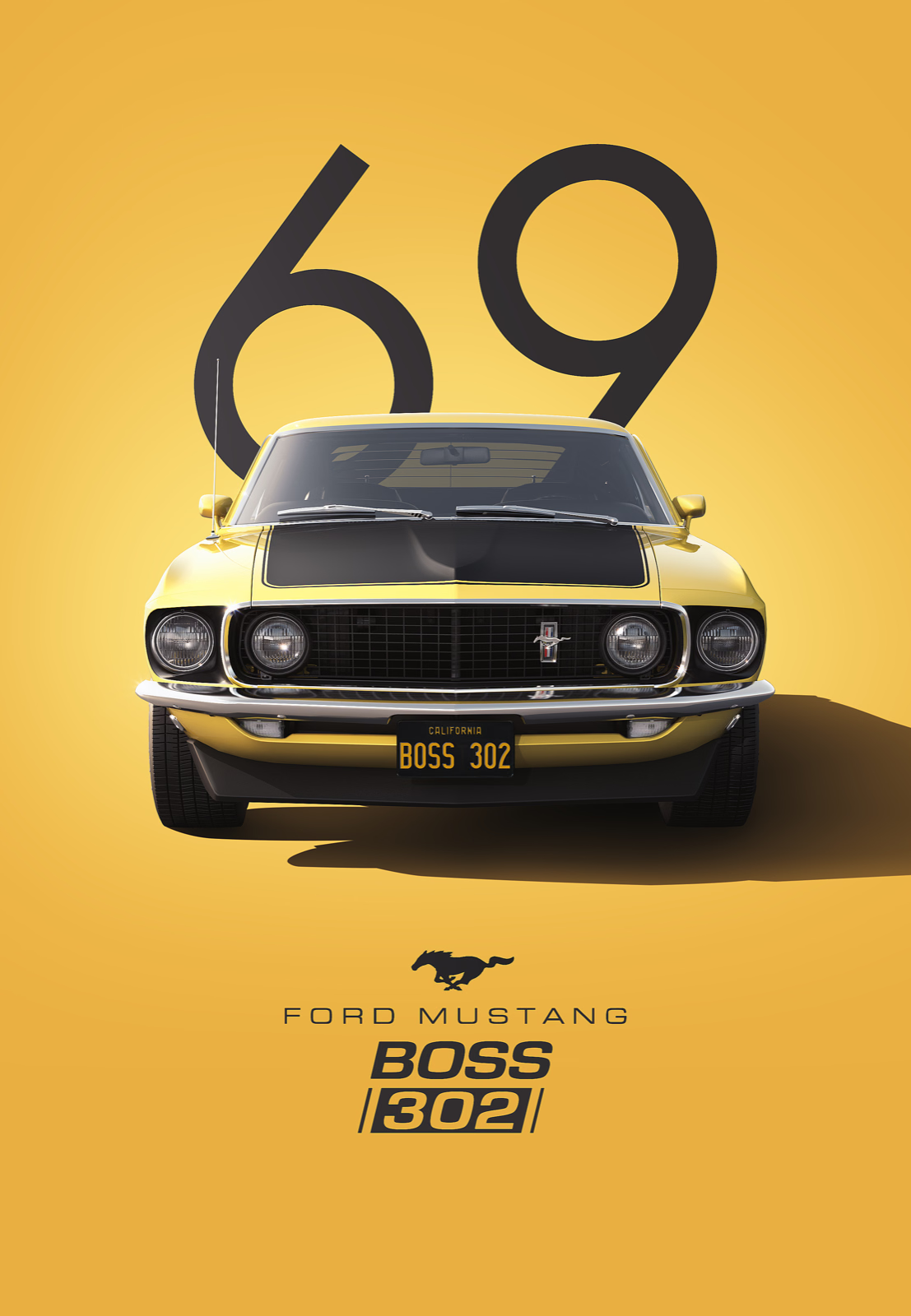
The typography in these posters is also worth noting. Many vintage advertising pieces used bold, hand-lettered type that feels confident and grounded. That bold typography works beautifully in a modern home, where it can complement both minimalist and maximalist interiors. Whether you are decorating a studio apartment or a suburban house, a poster with strong lettering and a clear silhouette reads well from across the room.
Classic Car Posters in the Kitchen and Beyond
It might seem unusual to hang a poster of a Ferrari Testarossa or a 1957 Chevy above a kitchen island, but it works surprisingly well. The kitchen is the heart of the home, a place where people gather, cook, and talk. A poster that features an iconic car in a vibrant colour - say, a red Corvette against a blue sky - can inject energy into the space without requiring any renovation. The same goes for a home office, where a poster of a classic coupe can serve as a visual break from screens and documents.
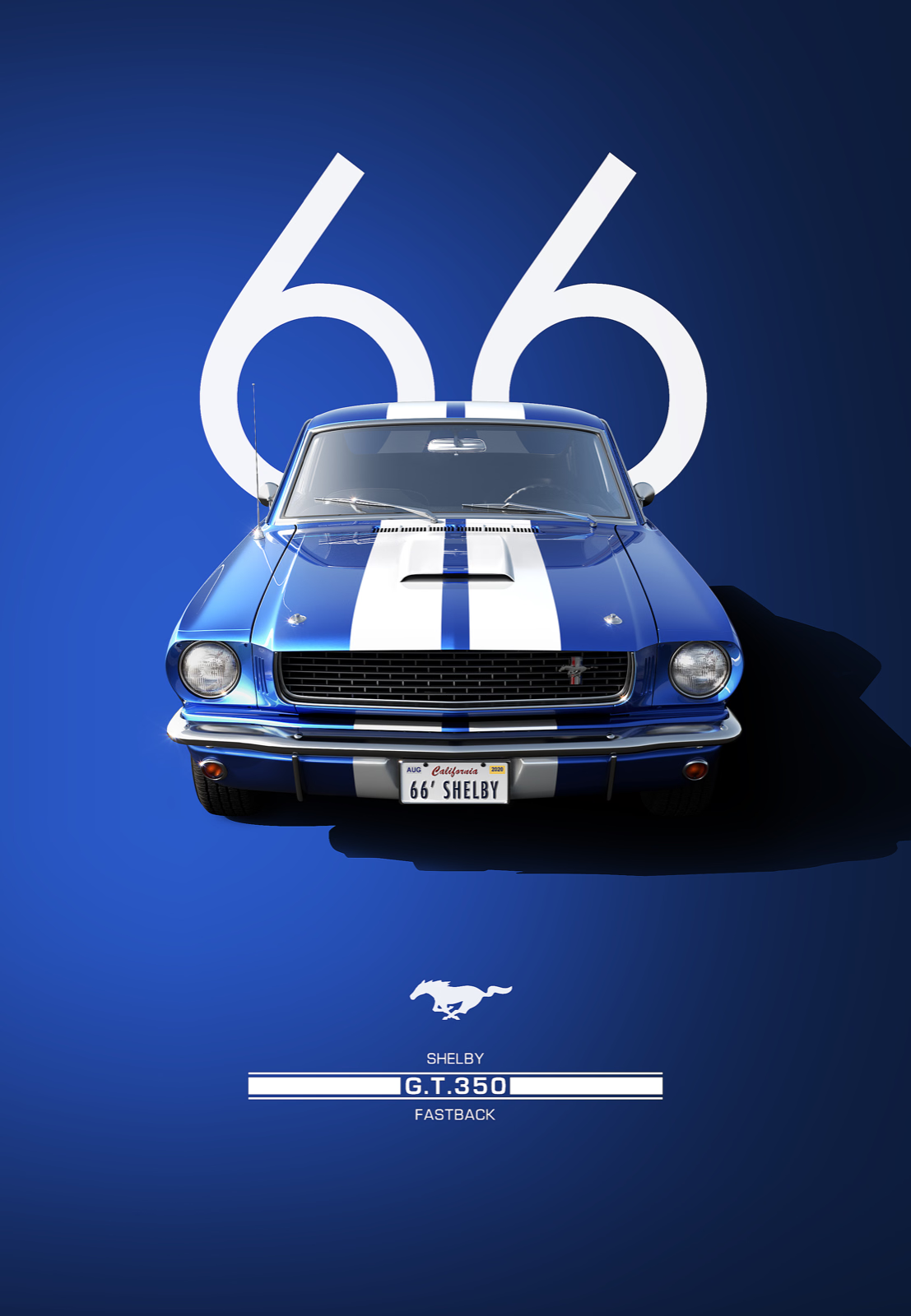
For those who prefer a more subtle approach, there are plenty of options in the world of pop art prints. These reinterpret classic car posters through a contemporary lens, often adding playful elements or abstract backgrounds. A pop art print of a vintage automobile can work in a bedroom or a hallway, especially if the room already has a few mid-century modern furniture pieces. The trick is to match the poster's colour palette to the room's existing tones. A warm orange or mustard yellow poster can tie together a room with terracotta accents, while a cool blue or silver poster might suit a grey-and-white scheme.
Reproductions and Limited Edition Prints
Not everyone can afford an original David Klein or a rare French racing poster from the 1950s. Fortunately, the market for high-quality reproductions has never been better. Digital printing technology allows publishers to produce faithful copies of vintage car posters with excellent colour accuracy and sharp detail. Some of these are available as open-edition poster prints, while others are released as limited edition prints, each one numbered and signed by the publisher. A limited edition print can still be affordable, and it often comes with a certificate of authenticity that adds to its collectible value.
When shopping for a reproduction, pay attention to the paper stock and the printing process. A flimsy poster on thin paper will look cheap no matter how good the image is. Look for posters printed on heavyweight, archival-quality paper with a matte or satin finish. That kind of paper holds colour better and resists fading. If you plan to frame the poster, a matte finish also reduces glare, which is important in a bright room. A good frame with UV-protective glass can extend the life of the print by years, especially if it hangs in a spot that gets direct sunlight.
How to Choose the Right Classic Car Poster for Your Space
With so many options available, narrowing down your choice can feel overwhelming. Here are a few things to keep in mind:
- Subject matter. Do you want a poster of a specific iconic car, like a Porsche 356 or a Jaguar E-Type? Or are you more drawn to a generic scene that captures the feel of a certain era? A poster of a particular model can be a conversation starter for car enthusiasts, while a scenic poster might appeal to a broader audience.
- Colour palette. Take a photo of the room where the poster will hang and look at the dominant colours. Choose a poster that picks up one of those colours or provides a deliberate contrast. A poster with a lot of red can warm up a cool-toned room, while a poster with blue or green can calm a space that feels too busy.
- Size and scale. A small poster can get lost on a large wall, while an oversized poster can overwhelm a narrow hallway. Measure your wall space before you buy. Standard sizes like 18x24 inches and 24x36 inches are easy to frame, but custom sizes are available for larger statements.
- Frame style. The frame is part of the artwork. A slim black or white frame works well with modern interiors. A wood frame with a natural finish can complement a more rustic or mid-century modern decor. Avoid ornate frames for a poster with bold typography - they fight for attention.
Vintage Car Posters as Collectible Investments
Beyond decoration, classic car posters have a strong following among collectors. The market for vintage car posters has grown steadily over the past two decades, driven by the same demographic that collects vintage cars themselves. A rare poster from a major race or a famous advertising campaign can appreciate in value, especially if it is in good condition and has been properly stored. Original lithographs from the 1950s and 1960s are the most sought after, but even later reproductions can hold value if they are from a reputable publisher and are part of a limited run.

If you are thinking about collecting, start by learning the names of the major artists and printing houses. David Klein is a good place to begin, but there are many others whose work is equally striking. Look for posters that have clean margins, no tears, and no fading. Paper condition is everything in this market. A poster that has been stored in a damp basement or exposed to direct sunlight for years will have lost much of its value, even if the image is still recognisable. Storage matters: keep your posters flat in a dark, dry place, or frame them with acid-free backing boards.
Where to Find Authentic Vintage Posters
Specialist dealers and auction houses are the most reliable sources for authentic vintage car posters. Online marketplaces can be hit or miss, because many sellers misrepresent reproductions as originals. If you are not sure what to look for, stick with dealers who specialise in vintage advertising or automotive art. They can provide provenance and condition reports. Some dealers also offer restoration services for posters that have minor damage, though restoration should always be reversible and done by a professional.
For those who simply want the look without the investment, modern reproductions are a practical alternative. Many publishers now produce high-quality facsimiles of classic posters, printed on archival paper with careful attention to the original colours. These are often sold as framed wall art, ready to hang right out of the box. The quality gap between a good reproduction and an original is narrowing, especially for digital prints that use pigment-based inks. A well-made reproduction can look stunning on the wall and costs a fraction of what an original would set you back.
Retro Design in Modern Interiors
The appeal of classic car posters is part of a larger trend toward retro design in home decor. People are tired of the cold, impersonal look that dominated interiors for the past decade. They want warmth, personality, and a sense of history. A poster that references a specific time and place - a roadside diner in the 1950s, a race track in the 1960s, a highway at sunset - provides exactly that. It is a small time machine on your wall.
This is especially true in the kitchen, where a poster of a vintage filling station or a classic roadster can turn a utilitarian space into a nostalgic retreat. Kitchen decor has moved beyond plain tiles and stainless steel. Now people are adding colour, pattern, and art to their cooking spaces. A set of three small framed classic car posters arranged in a row above a breakfast bar can create a gallery wall effect without taking up counter space. The bold typography and bright colours of automotive art hold their own against the visual noise of appliances and cookware.
In a home office, a poster of a sleek sports car can serve as a motivational image, a reminder of the freedom that comes with finishing a project or hitting a goal. It works because the poster is not trying to sell you anything - it is just there, offering a moment of escape. That is the real power of classic car posters: they take you somewhere else, even for just a few seconds.
Final Thoughts on Choosing and Displaying
The best advice for anyone considering classic car posters is to trust your eye. If a poster makes you smile when you look at it, it will probably work in your home. Do not worry too much about whether it matches your sofa or your countertop. Art is supposed to stretch your sense of what belongs together. A poster of a 1960s racing car in a modern white kitchen can look fantastic precisely because of the contrast.
Take your time choosing. Look at a lot of images online or in print. Notice which colours and compositions keep drawing you back. Once you have found the one, invest in a good frame and hang it at eye level. A poster that is hung too high or too low loses its impact. Give it enough space around it so it can breathe. And if you fall in love with a second poster, get that one too. A collection of three or four posters, hung in a grid or a horizontal line, can become a feature wall that defines the character of a room.
Classic car posters are more than just nostalgia. They are a design tool, a conversation piece, and a way to bring the open road into your everyday life. Whether you are a car enthusiast or simply someone who appreciates great graphic design, there is a poster out there that will feel like it was made for your wall.